VoiceAbility advocate Julie on what ‘keeping advocacy human’ means to her
VoiceAbility advocate Julie Lake writes about what ‘keeping advocacy human’ means to her as part of Advocacy Awareness Week.
Independent advocacy is about more than legislation, meetings and reports. At its heart, it is about people, building trust and standing alongside someone during what may be one of the most difficult periods of their life.
Family photographs in a person’s room can offer a glimpse into the life they have lived. Soldiers, nurses, teachers, parents and grandparents, each with their own experiences of happiness, hardship, achievement and loss.
These photographs remind us that the person before us has a history, relationships and memories extending far beyond the circumstances that brought us together.
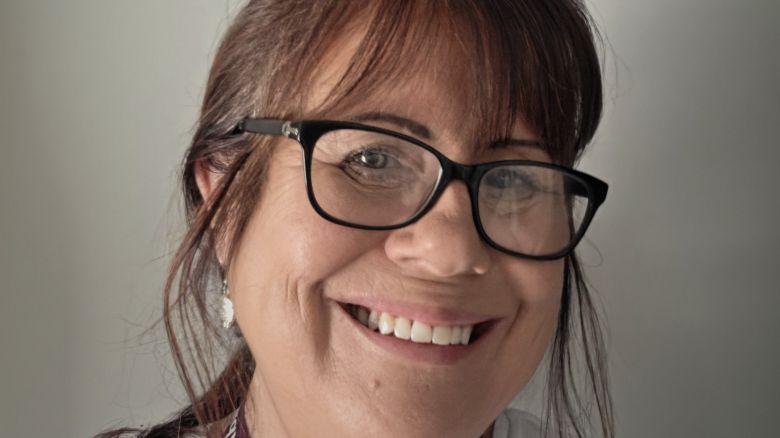
VoiceAbility advocate Julie Lake: “Being professional doesn’t mean we lack emotion”
Sometimes our role is to actively listen, offer reassurance or simply be present. We may be a hand to hold or someone to shout at when fear and frustration become overwhelming. For people without family or loved ones to support them, knowing that someone is listening and taking their wishes seriously can be particularly meaningful.
I remember one client who became tearful and held my hand when I reassured them that I wouldn’t forget about them, that I would return and do my very best to help.
Others may be unable to acknowledge our visits or communicate their wishes, yet they leave lasting impressions too. Their rights and dignity matter every bit as much.
The human cost of caring
Being professional doesn’t mean we lack emotion. We care about the people we support and want them to receive the same kindness, dignity and respect we would wish for our own loved ones.
Advocacy can be deeply rewarding, but there are difficult moments. We may witness distressing circumstances, raise concerns or feel that someone’s wishes and our representations have not been fully considered.
Sometimes we go home thinking about the people we’ve supported, wondering whether we could have done more or approached things differently. Over time, some aspects of our work can take their toll on our physical and mental wellbeing.
Professional boundaries are essential, but they do not prevent us from caring. They help us channel that care into effective, independent advocacy.
The strength behind advocacy
Being an effective advocate requires empathy, compassion, patience, active listening, courage, professional curiosity, diplomacy, integrity, commitment and resilience. Equally important is recognising when we need support ourselves.
Fortunately, we have each other. In many ways, advocates are a family, bringing together a wealth of different experiences and life skills, and perspectives. We share knowledge, reflect on difficult situations support each other. We read, we research and encourage one another and celebrate the difference our work can make.
Supportive colleagues, meaningful supervision and opportunities to reflect are not simply professional benefits; they are essential to sustaining the people who undertake this work.
Advocacy is not always visible, and its value cannot always be measured through outcomes, reports or statistics. Sometimes its significance lies in a conversation, a moment of reassurance or the knowledge that someone has been heard.
Behind every advocate is a human being too. Keeping advocacy human means remembering the people we stand alongside, while also recognising the humanity of those who stand alongside them.
From the bottom of our hearts.