How Speak Out Newham is playing a ‘vital’ role in autistic people’s lives
Speak Out Newham is a voice for people with learning disabilities and autistic people in Newham which has recently set up a drop-in mental health peer support group for autistic adults. The team has been speaking in World Autism Acceptance Month about the “vital” role it’s playing in people’s lives.
The peer support group provides a safe and welcoming space for autistic adults with shared experiences of mental health to connect, support one another, and explore ways to improve wellbeing. Our staff, volunteers, and clients recently spoke on community radio station Nagrecha Radio about the difference it makes.
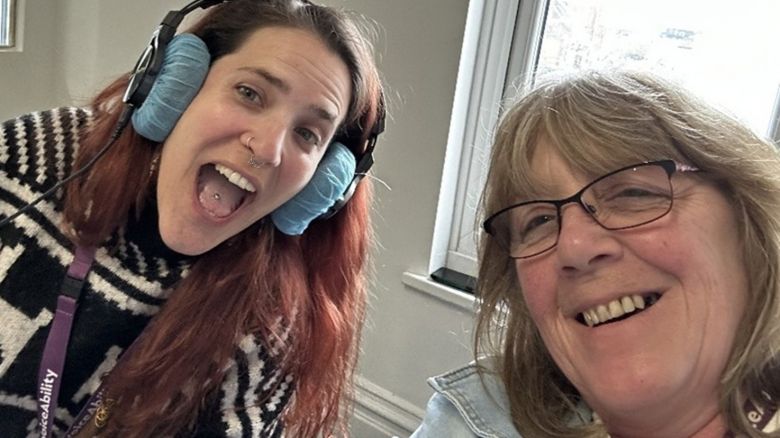
Peer Support Worker Bella Miles and Speak Out Facilitator Trish Moody speaking on Nagrecha Radio.
Trish Moody, a Speak Out Facilitator who has two young grandchildren with an autism diagnosis, explained how the group came about.
“Because many services are closing, there is very little free support in Newham for people with autism and mental health needs to come together and support one another.”
We listened to the attendees of our Newham drop in, who told us there is a real need for a space where people can speak openly and connect with peers who understand their experiences.
Trish said that since launching the peer support group it “has been working really well”.
Peer Support Worker Bella Miles, who was diagnosed with autism later in life and has lived with complex mental health challenges since childhood, spoke about how peer support is “all about people coming together through shared lived experience”.
“What makes it so powerful – and so crucial – is that it’s mutual.”
“It’s not about one person being the expert and another being ‘helped’. Everyone brings value through their own experiences, and that creates a really empowering dynamic where people feel less alone and more confident in themselves.
“That’s especially important because many autistic people experience isolation – whether that’s due to anxiety, agoraphobia, or co-occurring physical health conditions.”
Having a space where you feel genuinely understood, seen, and accepted without needing to mask or explain yourself can be incredibly powerful.
Asked why the peer support group is so important to autistic people with mental health challenges, Bella said: “It’s so important because, for many autistic people, mental health challenges aren’t the exception – they’re very common. A lot of that comes from living in a society that isn’t really designed for neurodivergent people, which can create ongoing stress, barriers, and sometimes trauma.
“At the same time, there’s still a real gap in neurodiversity training across parts of the mental health field. That can mean professionals don’t always recognise how mental health presents in autistic people, or how to adapt support in a way that’s actually accessible.
“There’s also a lot of overlap between autistic traits and conditions like anxiety, depression, PTSD, or personality disorders, which can sometimes lead to people being misunderstood or misdiagnosed. When that happens, it can have a really negative impact – because people might not get the right kind of support, and in some cases may even be given treatments that don’t suit their needs.
“That’s where peer support is so valuable. It offers something different – a space where people feel understood without having to explain or justify themselves, and where their experiences are recognised as valid.
“It helps reduce that sense of isolation, builds connection, and allows people to share coping strategies that actually work in real life. For many, it becomes a really vital source of understanding, belonging, and support alongside any professional help they might be receiving.”
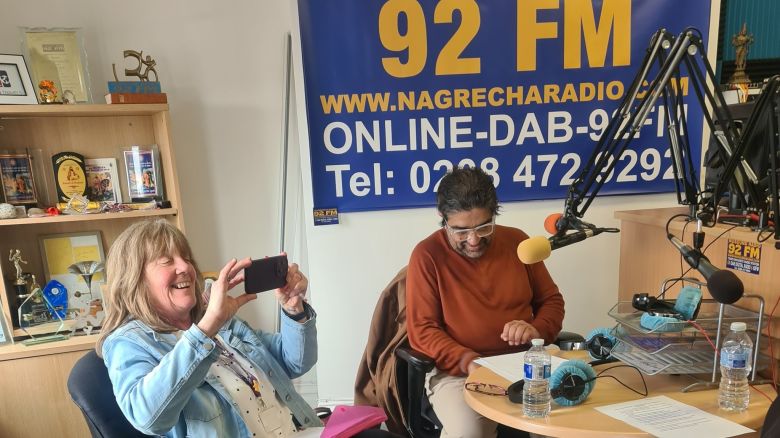
Speak Out Facilitator Trish Moody in the studio.
The group welcomes any adult who is struggling with their mental health and is autistic, self-diagnosed as autistic or is exploring/considering their own autism and wants to learn more.
There is no need to book – just turn up to the Resource Centre in Chargeable Lane, Plaistow (E13 8DW) between 12.30pm and 2pm on the second Monday of any month.
For more information, email speakoutnewham@voiceability.org.