What will the Supreme Court ruling mean for people whose safety and rights hang in the balance?
Advocates are the people who, every day, stand face-to-face and toe-to-toe with the truth of how our society treats those in the most vulnerable situations. If we accept that a society should be judged by how it treats people in those situations, then we most definitely have work to do.
I had less than two weeks to go until I started my role at VoiceAbility when the Supreme Court changed the legal test for determining whether someone is deprived of their liberty. The “acid test” established by the Cheshire West judgment in 2014 provided an important safeguard for people who were under continuous supervision and control, and not free to leave.
Until June this year, that test provided a clear route to legal safeguards for many people unable to consent to their care arrangements. Depending on the circumstances, those safeguards could include independent representation or advocacy concerning their care, wellbeing and rights.
But the precedent established by the Cheshire West ruling in 2014 has now been overturned. The decision was made by the UK Supreme Court following a reference from the Attorney General for Northern Ireland. It is now playing out across the UK in the lives of people whose circumstances did not change simply because the law did.
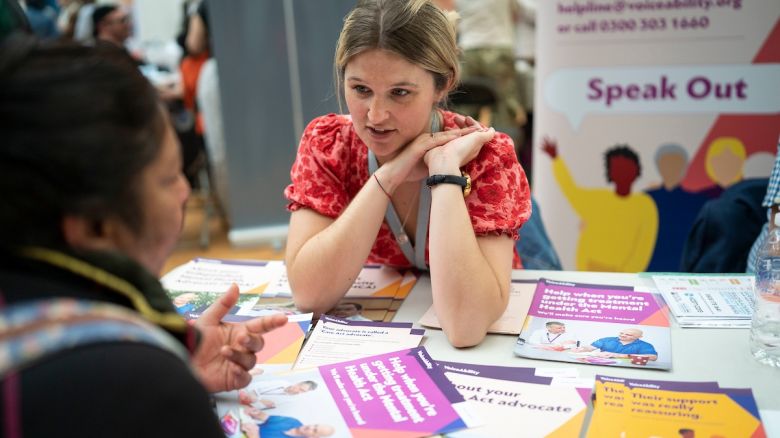
I want to work with independent advocates to understand the full impact of the ruling and how it is affecting, or is likely to affect, the people you stand with.
You, independent advocates, see what others do not. This judgment is not simply a legal ruling to you. It may mean a person you can no longer visit and a safeguard that has been lost.
Having shadowed VoiceAbility colleagues on recent visits to mental health hospitals, brain injury units and care homes, I have seen first-hand just how fragile existing safeguards can be. For what my opinion is worth, I have also seen just how important a safeguard an advocate can provide within a broken system.
I am not saying that the Cheshire West ruling and the acid test were perfect. They most definitely were not. However, where people are in situations in which power can easily be abused, and decisions about every aspect of their lives are being made by others, having an independent advocate there – with no agenda other than ensuring that the person’s voice, wishes and rights are heard – feels deeply and fundamentally right.
We are gathering evidence from the front line to understand the impact of this decision and to proactively find solutions to manage the new risks it creates and protect those who may be negatively affected by the ruling.
From advocates and the people we support, to their families and other professionals working across the sector, I want to hear from you. Stories and testimony are powerful tools in our armoury. Help us collect them.
We want to learn about people who previously received independent advocacy linked to deprivation-of-liberty safeguards but may now lose, or be at risk of losing, that support because they are no longer considered to meet the revised legal test.
In particular, we want to hear about situations where:
- A person does not verbally object but may be unable to communicate their wishes or intentions clearly.
- Apparent compliance may reflect fear, intimidation or learned helplessness rather than an expression of free will.
- An existing deprivation-of-liberty authorisation has been reviewed, or advocacy support has ended, following the application of the new ruling.
There is rightly considerable concern about the judgment, not least because of the uncertainty it has created. Our job now is to do something about it: to work with partners and government to ensure that the voices of the people we support are not silenced but amplified, and that people are not lost through the cracks of a fractured system.
We need to ensure that public debate and responses to the judgment are grounded in people’s lived experience. My direct messages are open. Please respect confidentiality when sharing your testimony by anonymising names and withholding any information that could identify an individual or otherwise compromise confidentiality.
From what I have learned so far about advocates, not even a Supreme Court ruling will stop you fighting for the people you stand with.
We want to stand with you as you do that.